How Long Do Brake Pads Actually Last?
Most brake pads last between 25,000 and 70,000 miles, but that's a pretty wide range. The real answer? It depends on how you drive. Someone who's gentle on the brakes and mostly does highway driving might get 60,000 miles out of a set. But if you're in stop-and-go traffic daily, doing lots of mountain driving, or you're just harder on your brakes, you might need replacements at 25,000 miles.
Here's what you need to know: there's no universal "replace at this mileage" rule. Your driving style matters more than anything else. So does your vehicle type, brake system design, and even the quality of pads you're using.
Warning Signs You Need New Pads Soon
Don't wait until your brakes fail completely. These warning signs tell you it's time to get them checked:
- A high-pitched squealing noise when you brake. This is intentional — manufacturers add a wear indicator that squeals to get your attention.
- Soft, spongy brake pedal that feels like it's going too far down. That's pressure loss, and it's serious.
- Grinding or metal-on-metal sound when braking. This means pad material is nearly gone and you're hitting the rotor.
- Brake warning light on your dashboard. Most modern vehicles have sensors that detect worn pads automatically.
- Longer stopping distances. If you're noticing your car takes more distance to stop than it used to, don't ignore this.
What Actually Affects How Quickly Your Pads Wear
Several factors determine how fast you'll go through brake pads. Understanding these helps you predict when you'll need replacements.
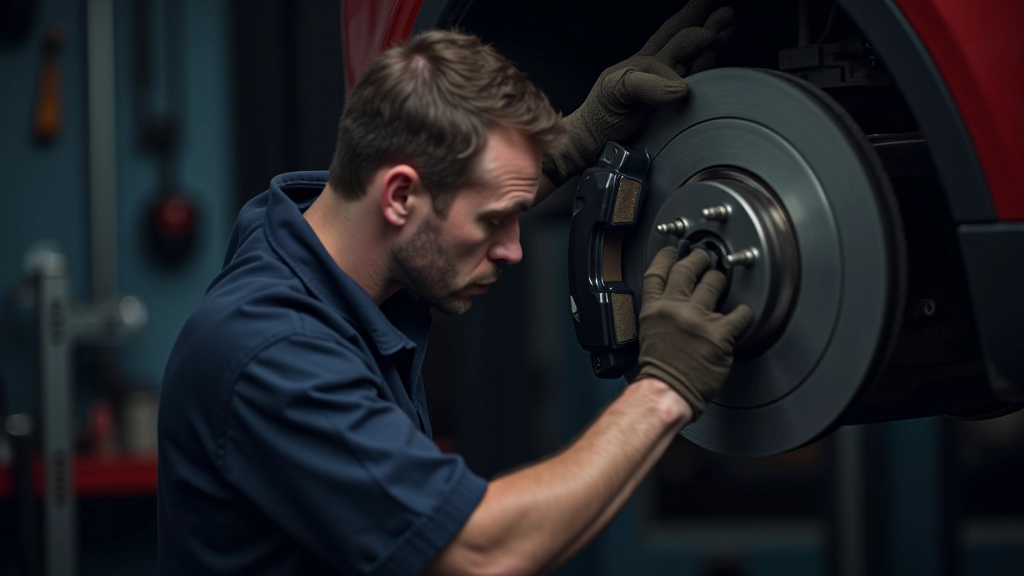
Your driving environment is huge. City driving with constant braking wears pads faster than steady highway miles. Mountain roads with lots of downhill braking are brutal on pads because you're using them constantly to control descent. Towing or carrying heavy loads? That increases brake wear significantly because your brakes work harder to stop the extra weight.
Driving habits matter just as much. Hard, aggressive braking creates more heat and wears pads quicker than gradual, smooth stops. Riding your brakes downhill instead of using engine braking generates excessive heat that accelerates wear. And here's something people forget — using your brakes to hold your car on hills instead of using the parking brake adds unnecessary wear.
Vehicle Type and Brake System Design
Not all brake systems are the same. Larger vehicles and trucks often have better cooling for their brakes because they need to dissipate more heat. Smaller, lighter cars might wear pads faster because the brakes work harder relative to the vehicle weight.
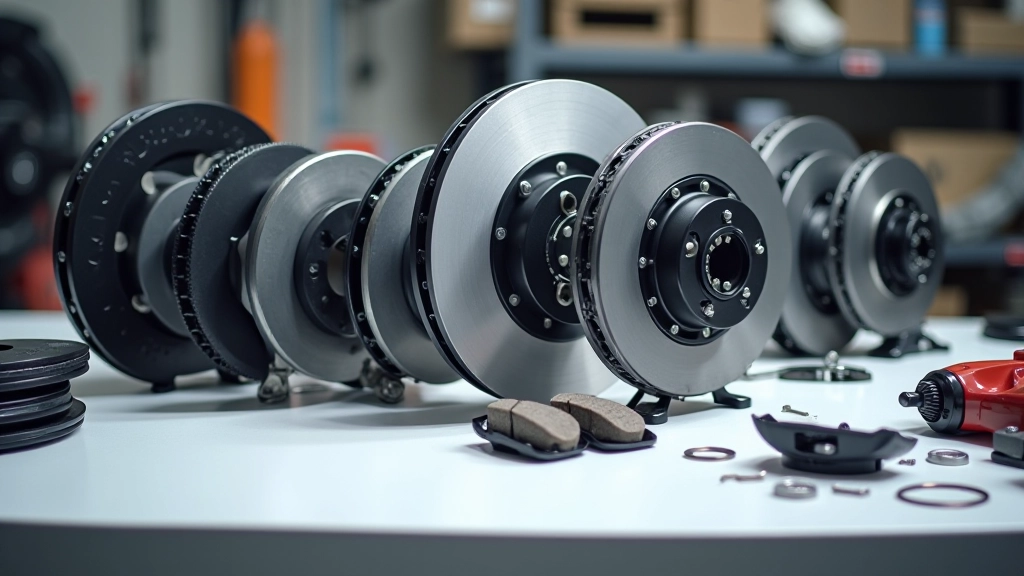
The type of brake pads also makes a difference. Semi-metallic pads are durable and handle heat well but can be noisier. Ceramic pads are quieter and produce less dust, but they're usually more expensive. Organic pads are affordable but wear out faster. Quality matters — cheap pads might cost less upfront but you'll replace them more often.
Important Information
This guide is educational and provides general information about brake pad replacement. Brake system maintenance is critical for vehicle safety. We strongly recommend having your brake system inspected by a qualified mechanic if you experience any warning signs. Different vehicles and driving conditions affect brake wear differently. Always consult your vehicle's manual for manufacturer recommendations and have a professional assess your specific situation. Driving with worn brakes is dangerous and illegal in most jurisdictions.
The Best Time to Replace Your Pads
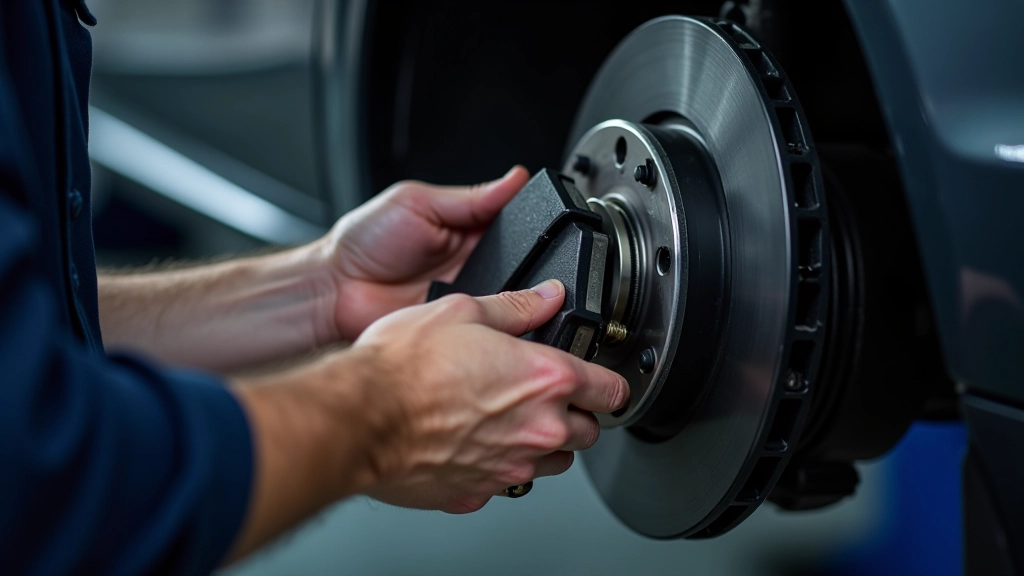
The honest answer is: when they're worn enough to need replacing, not on any fixed schedule. That said, most mechanics recommend having your brakes inspected annually. During an inspection, they'll measure pad thickness and let you know how much life you have left.
Here's what's smart: don't wait for the squealing noise. That warning indicator is telling you the pads are already quite worn. Getting them replaced when you hear that first squeal is better than waiting, but earlier is better still. If an inspection shows you've got about 2-3mm of pad material left, that's a good time to plan a replacement rather than waiting until it's critical.
Winter driving affects this too. Snow and ice mean more braking overall, so if you live somewhere cold, you might go through pads faster. Some people schedule brake work for early spring after winter driving, which makes sense.
What Happens When You Ignore Worn Pads
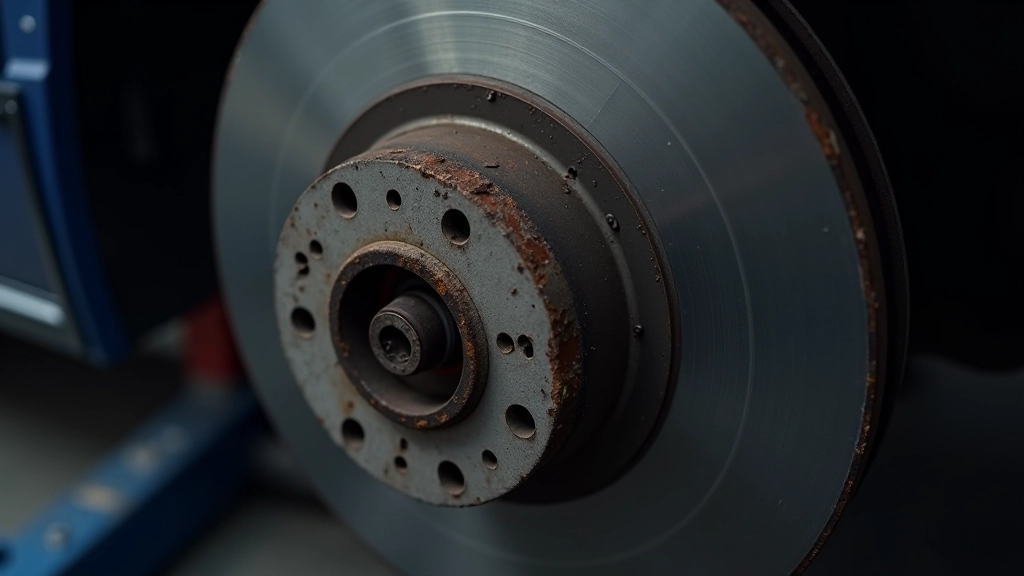
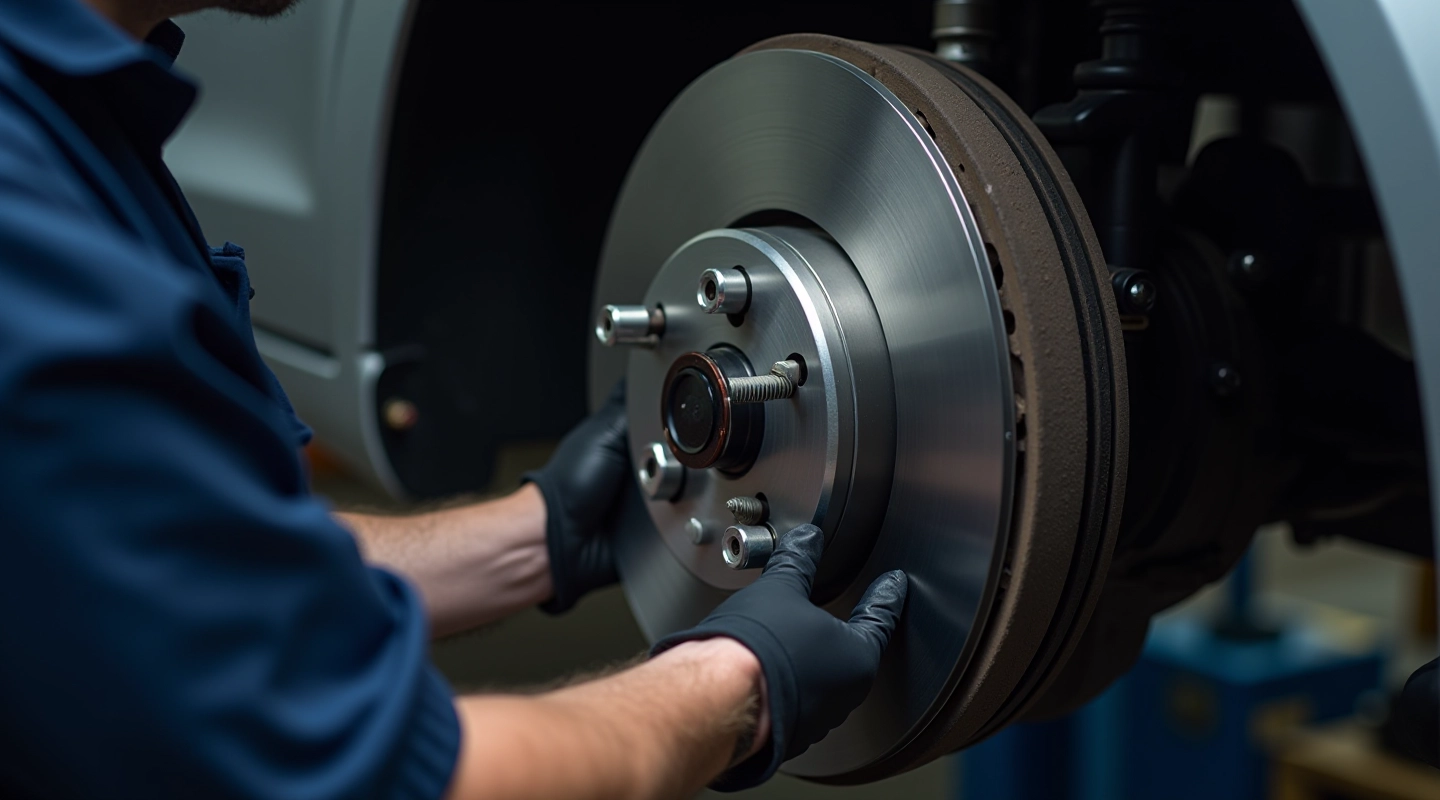
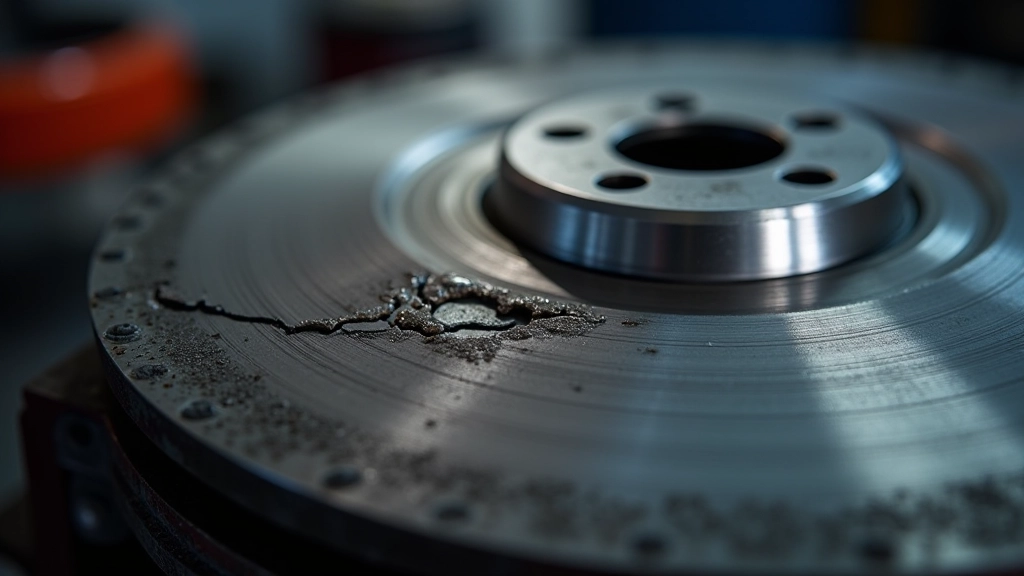
Continuing to drive on severely worn pads isn't just unsafe — it's expensive. When pads wear completely, metal-on-metal contact damages your brake rotors. A simple pad replacement might cost you a few hundred euros. But if you wait until the rotor is damaged, you're looking at replacing rotors too, which doubles or triples the cost.
Worse, your braking power decreases. You'll need longer distances to stop, especially in emergency situations. Your brake fluid can also be contaminated if pad material breaks down completely. In cold weather or emergency braking, compromised brakes can cause accidents.
Getting Your Brakes Inspected
You don't need to wait for a problem. Most shops can inspect your brakes for free or a small fee. They'll tell you exactly how much pad material you have left and give you realistic estimates for when replacement is needed.
During an inspection, they're checking pad thickness, rotor condition, brake fluid quality, and the overall system function. It's the best way to know your actual situation rather than guessing based on mileage. If you're concerned about your brakes or notice any of those warning signs we mentioned, scheduling an inspection is the smart move.